
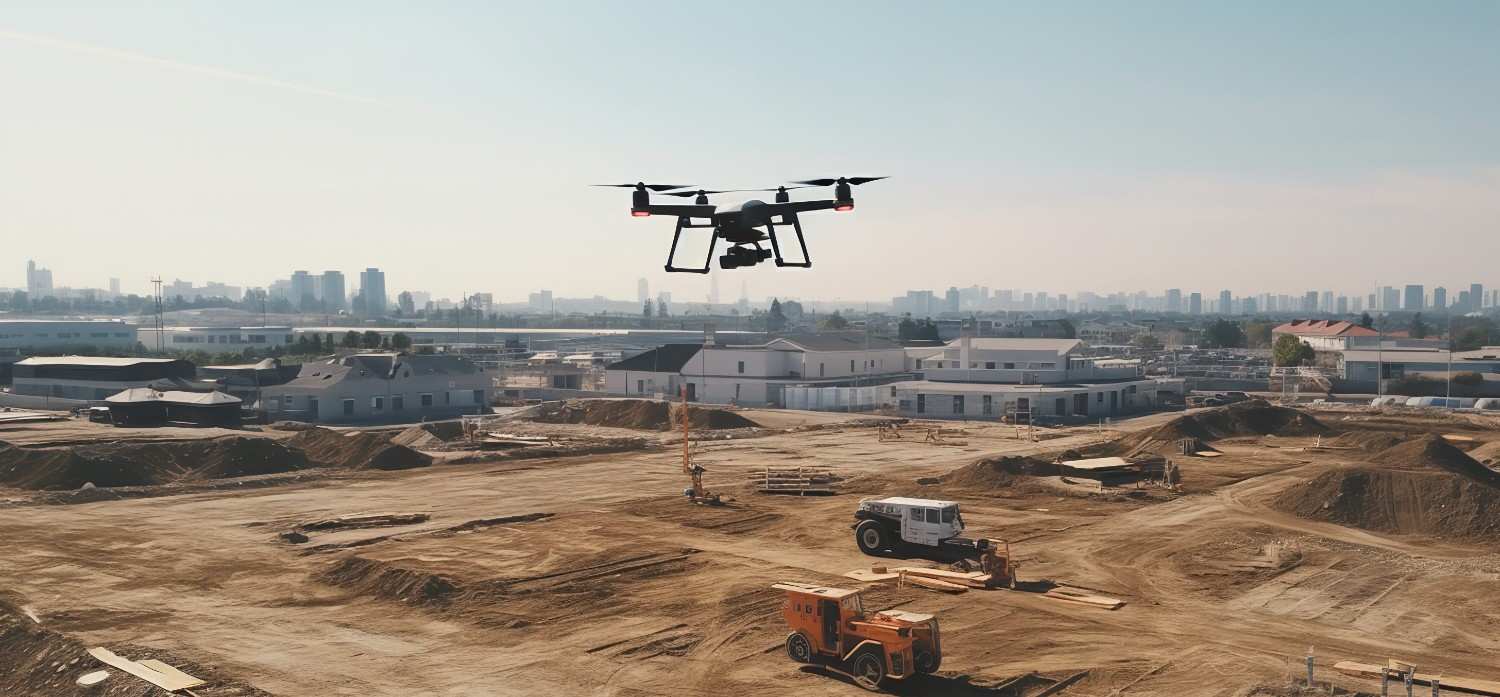
Falls from height remain the leading cause of fatalities in construction worldwide. Traditional surveying and inspection methods often require workers to climb scaffolding, rooftops, or towers, putting them at significant risk. Drones are changing this narrative. By enabling remote inspections, precise mapping, and real-time monitoring, drones are revolutionizing construction workflows and asset maintenance, reducing hazards while extending building life cycles.
Global Safety Context
- In the U.S., 421 construction worker deaths in 2023 were caused by slips, trips, or falls.
- In Great Britain, 50 workplace deaths in 2023/24 were due to falls from height—the single largest cause of workplace fatalities.
- Globally, falls account for one-third of construction fatalities, costing billions annually in compensation and downtime.
Why Drones Matter Beyond Construction
Drones are not just for initial builds—they are critical for planned preventative maintenance (PPM). Regular inspections of roofs, facades, and hard-to-access infrastructure help identify issues early, reducing repair costs and extending asset life. This proactive approach minimizes downtime and ensures compliance with safety and quality standards.
Key Benefits of Drones in Construction and Maintenance

-
Working Safely at Height
Eliminates the need for scaffolding or aerial lifts during inspections, reducing accident risks and improving compliance with OSHA and similar standards.
-
Accuracy of Data
Photogrammetry and 3D modeling ensure precise measurements, reducing costly errors and enabling design verification.
-
Site Mapping and Modeling
Drones cover large sites in minutes, generating orthomosaic maps and 3D models for planning and progress tracking.
-
Volume Calculations
Accurate stockpile measurements help manage earthworks and inventory efficiently.
-
Progress Tracking & PPM
Frequent drone flights provide real-time updates for construction and ongoing maintenance, improving communication and preventing overruns.
Inspection and Monitoring Advantages
Drones detect structural issues early; thermal sensors reveal hidden problems like insulation gaps or electrical faults. For PPM, drones enable scheduled inspections without halting operations, reducing downtime and costs. Autonomous drone systems “drone-in-a-box” can perform routine checks automatically, ensuring continuous compliance and asset health.
Efficiency and Cost Savings
- Drone inspections cost 30–50% less than traditional crane or scaffold-based methods.
- Preventative maintenance programs using drones deliver up to 545% ROI, reducing repair costs by 30% and extending asset life by 20%.
Summary of Performance Gains
| Application Area | Time Reduction | Cost Reduction | Safety Improvement |
|---|---|---|---|
| Roof & Structural Surveys | Days → Minutes/Hours | 20–35% cost cut | Eliminates high-altitude risks |
| Insurance Damage Assessments | Weeks → Hours/Day | Halves reinspection costs | Avoids manual rooftop checks |
| Infrastructure Inspections | Crane work replaced | $500k+ in immediate savings | Avoids fall & equipment hazards |
| PPM for Built Assets | Automated inspections | 12–18% less than reactive | Keeps teams safely on the ground |
Motor Efficiency: The Hidden Enabler
Behind every high-performing drone is a propulsion system designed for endurance and precision. Electric motors and motor controllers play a critical role in:
- Flight Time: High-efficiency motors reduce energy loss, enabling longer missions for large construction sites and maintenance checks.
- Payload Capacity: Optimized torque and power delivery allow drones to carry heavier sensors like LiDAR and thermal cameras.
- Reliability: Advanced motor controllers prevent overheating during extended inspections.
- Precision Control: Accurate speed and torque management ensures stability in windy conditions or confined spaces.
As drones evolve to handle more complex tasks—such as autonomous inspections and real-time data streaming—the demand for efficient electric propulsion systems will continue to grow.
Looking Ahead
Future developments include:
- AI integration for automated defect detection.
- Longer flight times and heavier payloads powered by advanced electric motors and intelligent controllers.
- Real-time data streaming for instant decision-making.
Regulatory frameworks are also evolving to support commercial drone use, making adoption easier for companies worldwide.
Conclusion
Drones are no longer a novelty—they’re a necessity for both construction and asset maintenance. By improving safety, enhancing accuracy, and delivering cost savings, drones help the industry build smarter and maintain assets longer. Combined with efficient electric propulsion systems, drones will become a cornerstone of sustainable, data-driven building management.
Share:
DoW’s “Drone Dominance” program: where it stands right now
Europe’s Uncrewed Systems Momentum: Germany, the UK, and the Path to XPONENTIAL Europe 2026