
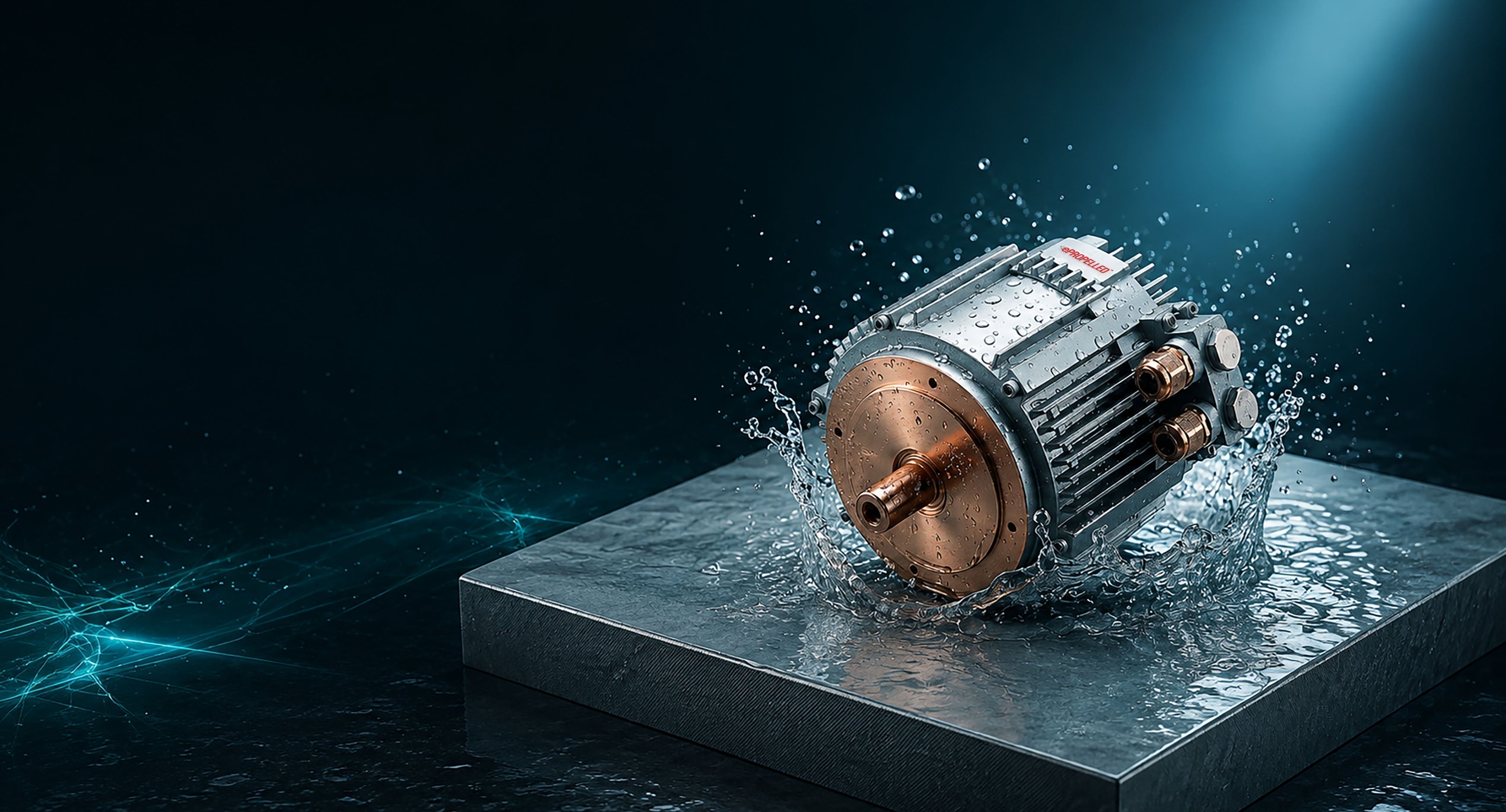
Die Abdichtung eines Elektromotors wird oft als einfache Frage der Abdichtung missverstanden. In der Praxis handelt es sich um eine technische Herausforderung auf Systemebene, die erst in realen Betriebsumgebungen vollständig sichtbar wird.
Bei ePropelled wurde dieses Verständnis durch nachhaltige Forschungs- und Entwicklungs- und Einsatzerfahrung in anspruchsvollen Anwendungen aufgebaut, unterstützt durch ein globales Innovationszentrum in Coventry, Großbritannien. Anstatt sich nur auf den Aftermarket-Schutz zu verlassen, sollten Motoren von Anfang an so konzipiert sein, dass sie durch versiegelte Architekturen, geschützte Elektronik und sorgfältig ausgewählte interne Schutzmethoden Umwelteinflüssen standhalten.
Bei verschiedenen Anwendungen führt dies zu unterschiedlichen Widerstandsniveaus: von wetterbeständigen Systemen bis hin zu stärker geschützten Designs für den Boden-, See- und rauen Industrieeinsatz. Schutzklassen (IP) sind ein wichtiger Ausgangspunkt, aber sie sind nicht die ganze Geschichte.
Wasser ist selten das einzige Problem
Eine wichtige Lehre aus dem realen Einsatz ist, dass das Eindringen von Wasser selten die einzige Ursache für einen Ausfall ist. Die langfristige Zuverlässigkeit wird in der Regel durch die sekundären Effekte bestimmt, die entstehen, wenn Feuchtigkeit, galvanische Korrosion, Verschmutzung und mechanische Beanspruchung innerhalb oder um den Motor herum zusammenwirken.
In Betriebsumgebungen sind Motoren nicht nur Wasser, sondern auch Sand, Splitt, Schlamm, Salzverunreinigungen, Chemikalien, Öl, Druckschwankungen, Vibrationen und wiederholten Temperaturwechseln ausgesetzt. Diese Bedingungen können mehrere interagierende Fehlerpfade hervorrufen:
- Allmähliche Verschlechterung der Isolierung, da Feuchtigkeit in den Wicklungsstrukturen zurückgehalten wird
- Reduzierte Spannungsfestigkeit bei Vorhandensein von Feuchtigkeit, wodurch die Lebensdauer der Wicklungsisolierung verkürzt wird
- An Materialschnittstellen entwickelt sich im Laufe der Zeit galvanische Korrosion
- Schmierstoffverdrängung in Lagern führt zu erhöhter Reibung, Verschleiß und Wärmeentwicklung
- Oberflächenverunreinigungen führen zu unbeabsichtigten elektrischen Leckpfaden
- Vibrationen und thermische Wechselwirkungen öffnen mikroskopisch kleine Eintrittswege durch Befestigungslöcher, Kabelausgänge und Steckverbindungen, selbst wenn Dichtungen vorhanden sind
Diese Effekte treten selten sofort auf. Ein Motor scheint normal zu funktionieren, während die interne Verschlechterung mit der Zeit fortschreitet. Aus diesem Grund muss der Umweltschutz als eine Frage der Zuverlässigkeit des gesamten Lebenszyklus bewertet werden und nicht nur als Prüfung von Gut/Schlecht.
Warum IP-Ratings nur ein Teil der Antwort sind
Eindringschutzklassen sind nützlich, da sie einen gemeinsamen Bezugspunkt für die Beständigkeit gegen Staub- und Wassereinwirkung bieten. Allerdings können die Laborbedingungen eine wiederholte Exposition gegenüber verunreinigtem Wasser in Kombination mit Temperaturschwankungen, Vibrationen, Druckänderungen und langen Betriebsstunden nicht vollständig reproduzieren.
In realen Einsatzszenarien bestimmt diese Kombination häufig die langfristige Leistung. Ein Motor, der einen kontrollierten Wassertest besteht, kann dennoch eine fortschreitende Verschlechterung erleiden, wenn Feuchtigkeit in den Wicklungen zurückbleibt, wenn durch Verschmutzung Leckpfade entstehen oder wenn die Lager nicht für wiederholten Nassbetrieb geschützt sind.
Ein mehrschichtiger Ansatz zur Abdichtung
Ein widerstandsfähigerer Ansatz zur Abdichtung ist daher mehrschichtig als einzeln. Die Abdichtung ist nach wie vor unerlässlich, muss jedoch unter Berücksichtigung des Lebenszyklusverhaltens entwickelt werden:
- Statische Dichtungen müssen ihre Integrität bei thermischer Ausdehnung, Kontraktion und wiederholten Montagebelastungen aufrechterhalten
- Bei der dynamischen Abdichtung muss ein Gleichgewicht zwischen Wasserausschluss, Reibung, Verschleiß und Langzeithaltbarkeit hergestellt werden
- Berührungslose Geometrien, wie z. B. Labyrinthpfade, können das Risiko eines direkten Eindringens verringern, ohne dass übermäßiger Widerstand entsteht
- Kabelausgänge, Steckverbinder, Befestigungselemente und Gehäuseverbindungen müssen als kritische Eintrittspfade und nicht als sekundäre Details behandelt werden
Dieses vielschichtige Denken spiegelt sich darin wider, wie moderne Motorsysteme aufgebaut sein sollten. Bei ePropelled-Designs ist der Umweltschutz in die Kernarchitektur integriert, mit versiegelten Gehäusen und internen Schutzfunktionen, die Staub, Feuchtigkeit und wiederholten Temperaturzyklen standhalten, anstatt sich ausschließlich auf externe Behandlungen zu verlassen.

Sobald Feuchtigkeit vorhanden ist, ist der innere Schutz wichtig
Auch bei einer guten Außenabdichtung ist der Innenschutz von entscheidender Bedeutung, da geringe Mengen Feuchtigkeit über mikroskopische Kanäle eindringen oder durch Kondensation eingebracht werden können. Im Inneren kann Feuchtigkeit in gewundenen Strukturen, Schlitzen, Schnittstellen und Oberflächenfilmen eingeschlossen bleiben.
Eine wichtige Technik ist die Harzimprägnierung der Statorwicklungen im Tiefvakuum. Es hilft, innere Hohlräume zu reduzieren, in denen sich Feuchtigkeit ansammeln könnte, und kann die Wärmeübertragung von den Wicklungen in die Statorstruktur verbessern. Dieser Zusammenhang ist wichtig: Ein besseres Wärmemanagement verringert die Belastung des Isolationssystems, was wiederum die Widerstandsfähigkeit gegen feuchtigkeitsbedingte Verschlechterung im Laufe der Zeit verbessert.
E-Beschichtung oder andere geeignete Korrosionsschutzbehandlungen können auch dazu beitragen, freiliegende Stahllamellen und empfindliche Oberflächen zu schützen, insbesondere wenn Salze oder leitfähige Verunreinigungen vorhanden sind. Bei richtiger Anwendung stellen diese internen Schutzmethoden eine zweite Verteidigungslinie dar, wenn die externe Abdichtung allein nicht ausreicht.
Auslegung für echte Betriebsbeanspruchung
Ein weiterer wichtiger, aber oft unterschätzter Faktor ist das Verhalten von Motoren unter realer Betriebsbelastung. Wenn sich Systeme erwärmen und abkühlen, können interne Druckänderungen Feuchtigkeit über mikroskopische Pfade ansaugen. Vibrationen, Verunreinigungen und wiederholte Handhabung können dann Verschleißmechanismen beschleunigen und Schnittstellen, die zunächst gut abgedichtet erschienen, nach und nach gefährden.
Um diesem Problem zu begegnen, umfassen robuste Designs und Validierungsprogramme zunehmend Folgendes:
- Atmungsaktive Membranen und Entlüftungsstrategien, die Druckänderungen bewältigen und gleichzeitig das Eindringen von Wasser verhindern
- Tests, die thermische Zyklen, Vibrationen und Nässeeinwirkung kombinieren, anstatt jede Variable zu isolieren
- Wiederholter Kontakt mit kontaminierten Umgebungen wie Schlamm, Salznebel oder leitfähigen Rückständen, um langfristige Fehlermöglichkeiten aufzudecken
- Inspektion nach der Belastungsprüfung, einschließlich Isolationswiderstands-, dielektrischer Prüfung, Lagerzustands- und Korrosionsprüfungen
Lager sind oft der schwächste Punkt
Unter nassen und verschmutzten Bedingungen sind Lager nach wie vor eines der anfälligsten Teilsysteme. In vielen Fällen sind sie die ersten Komponenten, die sich verschlechtern. Ihr Schutz erfordert eine Kombination aus Dichtungsstrategie, Auswahl der Schmierung, Lagermaterial, Überlegungen zur Entwässerung und einer realistischen Validierung, anstatt sich auf eine einzige Barriere zu verlassen.
Bei Antriebssystemen, von denen erwartet wird, dass sie in Verteidigungs-, Landwirtschafts-, Bodenrobotik-, Meeres- oder Industrieumgebungen eingesetzt werden, sollte der Lagerschutz auf der gleichen Ebene wie die elektrische Isolierung und Gehäuseabdichtung berücksichtigt werden. Ein Motor, der die Wicklungen schützt, aber eine frühzeitige Lagerschädigung zulässt, ist immer noch nicht umweltfreundlich.
Abdichtung ist ein Problem der Widerstandsfähigkeit
Der wichtigste Perspektivwechsel ist dieser: Abdichtung ist kein binärer Zustand. Ein Motor ist nicht einfach wasserdicht oder nicht wasserdicht. Es verfügt über ein gewisses Maß an Umweltresistenz, das dadurch definiert wird, wie gut es die Belastung im Laufe der Zeit verträgt, bewältigt und sich davon erholt.
Je weiter elektrische Antriebssysteme in den Bereichen Verteidigung, Landwirtschaft, industrielle Mobilität und Schifffahrtsanwendungen Einzug halten, desto mehr wird diese Widerstandsfähigkeit zu einem bestimmenden Merkmal. Von Motoren wird nicht mehr erwartet, dass sie nur gelegentliche Belastungen überstehen. Zunehmend wird von ihnen erwartet, dass sie im Rahmen des normalen Betriebs auch in rauen Umgebungen eingesetzt werden.
Für ePropelled stellt dies einen klaren Differenzierungspunkt dar: die Entwicklung von Antriebssystemen für reale Betriebsbedingungen und nicht für strenge Laborvorschriften. Für Kunden bedeutet dies ein geringeres Ausfallrisiko, einen geringeren Wartungsaufwand, eine längere Lebensdauer und ein größeres Vertrauen, dass die Systeme auch in rauen, verschmutzten und stark beanspruchten Umgebungen weiterhin funktionieren.
Die erfolgreichen Designs erkennen dies von Anfang an. Sie betrachten Wasser nicht als Ausnahme, sondern als ständigen Betriebszustand. Unterstützt durch nachhaltige Forschung und Entwicklung sowie praxisnahe Validierung verwandelt diese Denkweise den Schutz in langfristige Zuverlässigkeit und verbessert den Gesamtwert über den Lebenszyklus. In diesem Sinne ist eine wirksame Abdichtung nicht nur eine Schutzfunktion; Es ist ein strategischer Wegbereiter für eine zuverlässige Antriebsleistung in den Umgebungen, die am wichtigsten sind: die reale Welt!
Biografie des Autors

Autor: Dr. Nabeel Shirazee, CTO Power and Propulsion
Nabeel ist ein Diplom-Ingenieur mit einem Doktortitel in Elektromagnettechnik und mehr als 20 Jahren Erfahrung in der Entwicklung elektrischer Antriebs- und Stromerzeugungslösungen für Luft- und Raumfahrt- und Bodenanwendungen. Er bringt Erfahrung auf Gründerebene bei der Kommerzialisierung patentierter Technologien mit und kombiniert Ingenieurs- und Fertigungskompetenz mit einer Produktvision für unbemannte Plattformen der nächsten Generation.
Teilen:
Verteidigungsausgaben müssen Kapazitäten aufbauen und nicht nur Ausrüstung kaufen
FAA Teil 108: Die Zukunft von BVLOS-UAVs gestalten