
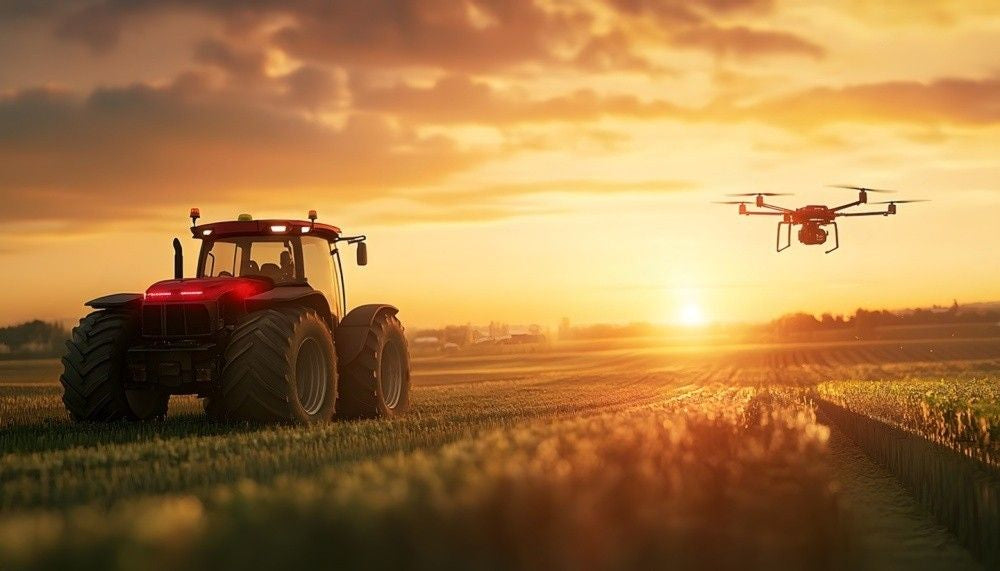
Сільське господарство вступає в період, коли продуктивність, стійкість і ефективність праці повинні підвищуватися одночасно. Оскільки мінливість клімату та зростання попиту на продовольство все більше тиснуть на сільськогосподарські роботи в усьому світі, автономні повітряні та наземні системи починають змінювати спосіб прийняття та виконання сільськогосподарських рішень.
Те, що колись визначалося ручними процесами та сезонною інтуїцією, стає все більш керованим даними, точним і гнучким. У центрі цієї еволюції знаходиться зростаюча координація між повітряними та наземними автономними системами.

Ця трансформація відбувається на тлі індустрії, яка працює у величезних масштабах і стикається з безпрецедентним тиском. Світовий ринок сільського господарства зараз оцінюється в понад 12 трильйонів доларів, що робить його одним із найважливіших секторів світової економіки. У той же час очікується, що глобальний попит на продовольство значно зросте до середини століття, спричинений зростанням населення та зміною моделей споживання. Ефективність того, як вирощуються, контролюються та збираються врожаї, просто ніколи не була такою важливою.
Окремо безпілотники та наземні транспортні засоби вже довели свою цінність. Безпілотники забезпечують швидку видимість на великих територіях, тоді як наземні системи пропонують можливість діяти безпосередньо на рівні культури чи ґрунту. Зараз змінюється те, як ці технології поєднуються в інтегровані робочі процеси, пов’язуючи дані, прийняття рішень і дії.
У Сполучених Штатах ця еволюція вже помітна в масштабі. Такі компанії, як John Deere, завдяки придбанню Blue River Technology запровадили системи машинного бачення, які можуть ідентифікувати та лікувати окремі рослини. Вони все частіше поєднуються з інструментами аерофотокартування, створюючи скоординовану петлю між виявленням і втручанням. Large-scale farms are now combining drone data with autonomous sprayers to reduce chemical use and improve yield consistency.
В Індії з’являється інша, але не менш важлива модель. Підтримувані урядом програми безпілотників прискорюють впровадження моніторингу посівів і точного обприскування, особливо на невеликих фермах. У той же час розгортаються напівавтономні наземні системи для визначення рівня ґрунту та цілеспрямованого застосування. Інтеграція обох дає змогу перетворити розуміння високої роздільної здатності на практичні дії на польовому рівні.
Це не обмежується одним регіоном. По всій Бразилії великі сільськогосподарські оператори поєднують отримання зображень за допомогою дронів з автономними обприскувачами на величезних фермах з вирощування сої та цукрової тростини. У Європі, де правила сталого розвитку стають дедалі суворішими, інтегровані системи використовуються для зменшення кількості хімічних речовин і підтримки цілей точного землеробства. У деяких частинах Африки безпілотні літальні апарати використовуються для передачі інформації про врожай і консультаційних даних, тоді як менші, часто напівавтономні наземні системи дозволяють цілеспрямоване втручання.
Ці приклади об’єднує не лише технологія, а й зміна мислення. Це стало справді глобальним впровадженням розумнішого сільського господарства, де інтеграція повітряних і наземних автономних систем дозволяє приймати кращі рішення та отримувати більш ефективні результати незалежно від географії.
Ця інтеграція вирішує давню проблему у сільському господарстві. Поля за своєю суттю мінливі, умови змінюються на короткій відстані. Традиційні підходи часто однаково обробляють цілі області. Автономні системи, що працюють разом, дозволяють зрозуміти цю мінливість і безпосередньо керувати нею.
Від виявлення до дії
Відправною точкою зазвичай є підйомники. Оснащені багатоспектральним зображенням і корисним навантаженням датчиків, вони забезпечують швидкий і детальний огляд польових умов, часто виявляючи проблеми ще до того, як їх побачить людське око.
Вони забезпечують новий рівень розуміння, зокрема:
- Карти високої роздільної здатності здоров’я та мінливості врожаю на всіх полях
- Раннє виявлення хвороб, активності шкідників або нестачі води
- Виявлення дефіциту поживних речовин на рівні підполя
Однак сама по собі інтуїція не створює цінності. Справжній вплив залежить від того, наскільки швидко та точно цю інформацію можна перетворити на дію.
Саме тут наземні автономні системи відіграють вирішальну роль. Замість того, щоб застосовувати лікування однаково, UGV можуть безпосередньо реагувати на шаблони, визначені вище. Це означає перехід від широкого втручання до цілеспрямованої точності.
Типові дії на рівні землі включають:
- Точне обприскування лише в уражених зонах, а не на всіх полях
- Mechanical or targeted weed removal guided by aerial data
- Моніторинг ґрунту та відбір проб для перевірки й уточнення повітряних даних
Наприклад, мультиспектральна візуалізація на основі дронів може виявити ранні ознаки дефіциту поживних речовин у вибраних зонах поля. Наземні автономні системи можуть вносити добрива лише там, де це необхідно, зменшуючи використання хімікатів і підвищуючи точність внесення.
Разом повітряне зондування та наземна реакція створюють замкнуту систему. Дані надходять із неба, рішення приймаються швидко, а дії застосовуються там, де це найбільше потрібно. У більш просунутих розгортаннях цей цикл все більше автоматизований.
Забезпечення такого рівня координації потребує поєднання технологій, що працюють разом, від датчиків і з’єднання до двигуна, потужності та контролю.
Ключові чинники включають:
- Надійний зв’язок між повітряними та наземними системами у великих сільських районах
- Точна навігація та локалізація в мінливих умовах місцевості
- Ефективні силові установки, які забезпечують постійну та надійну роботу
- Зв'язок із низькою затримкою та прийняття рішень на основі периферії, особливо в сільській місцевості, де покриття мережі може бути непостійним
Чому операційна ефективність важлива
Інтегрована автономія також покращує операційну економіку, зменшуючи залежність від робочої сили, мінімізуючи надмірне використання хімікатів і забезпечуючи більш ефективне використання ресурсів. Це стає дедалі важливішим, оскільки ферми стикаються зі зростаючими витратами на робочу силу, тиском на стійкість і потребою у більшій продуктивності завдяки обмеженим земельним і водним ресурсам.
Пропульсія, хоча часто менш помітна, ніж датчики чи програмне забезпечення, є фундаментальною для забезпечення життєздатності автономного сільського господарства в масштабах. Як дрони, так і наземні системи покладаються на ефективні технології електроприводу, щоб підтримувати витривалість і постійну продуктивність.
У наземних транспортних засобах це означає забезпечення крутного моменту та довговічності в середовищах, які включають пил, бруд і вологу. У повітряних системах потрібна стабільна та ефективна доставка енергії, щоб максимізувати час польоту та можливості корисного навантаження.

Сюди також входить управління передачею крутного моменту за різних умов рельєфу, підтримання термічної стабільності під час безперервної роботи та оптимізація використання потужності в різних робочих циклах.
Ці виклики дедалі частіше вирішуються за допомогою інтегрованих електричних силових установок, систем живлення та керування, включно з тими, які розроблені компанією ePropelled, де основна увага приділяється ефективності, керованості та стійкості в різних умовах експлуатації та на кількох автономних платформах.
З’являється не просто автоматизація, а координація. Антенні системи забезпечують розвідку. Наземні системи забезпечують дію. Разом вони забезпечують точність у масштабі, якого раніше було важко досягти.
Наслідки значні. Ферми можуть зменшити використання хімікатів і води, покращити сталість урожайності та динамічніше реагувати на зміни умов. Не менш важливо, що вони можуть працювати ефективніше в умовах нестачі робочої сили та зростаючих очікувань сталого розвитку.
Сільське господарство завжди розвивалося завдяки технологіям, від механізації до цифрових інструментів. Інтеграція повітряної та наземної автономії є наступним кроком у цьому прогресі. Йдеться не про заміну фермера, а про розширення його можливостей і підвищення врожайності за допомогою кращої інформації та більш точних інструментів.
Майбутнє сільського господарства визначатиметься не однією машиною чи платформою, а тим, як розумно поєднуються дані з повітря та дії на рівні землі в скоординовані автономні екосистеми.
Біографія автора

Автор: д-р Азхагар Радж М., директор інженерної індійської компанії ePropelled
Доктор Ажагар привносить у ePropelled понад 25 років досвіду в дослідженнях і розробках, інженерному лідерстві та розробці нових продуктів у секторах електромобільності, аерокосмічної та енергетичної промисловості. Він обіймав ключові посади в General Electric, Honeywell, Suzlon Energy, Powergear і Lucas TVS, впроваджуючи інновації в електричні машини, силову електроніку та інтелектуальні системи керування.
Поділитися:
XPONENTIAL 2026: Автономні системи переходять від прототипу до промислового масштабу
Які найкращі системи електроприводу для UGV?